










Is Decaf Coffee Good or Bad for You?
And can it really taste just as good? Get the lowdown on all things decaf coffee.
As much as we love coffee, we can appreciate that being consistently wired on caffeine isn’t always the best idea, especially when you’re desperately trying to sleep after your post-dinner espresso.
This is where decaffeinated coffee comes in, and the health benefits of decaf are much the same as your normal cup of coffee.
What is Decaf Coffee?
Decaf coffee is made from coffee beans that have had at least 97% of their caffeine removed. This process is usually done using water and organic solvents. Coffee beans are washed in the solvent until the caffeine has been extracted, and then the solvent is removed.
Is Decaf Coffee Healthier than Caffeinated Coffee?
Decaf and caffeinated coffee offer slightly different benefits, so neither can be called definitively “healthier”. The best choice for you depends on your health, sensitivity to caffeine, and the time of day you're drinking coffee.
Decaf is great for people with sleep issues, anxiety, acid reflux, and sensitivity to caffeine, whilst caffeinated coffee is great for boosting your cognitive function and physical performance during the day.
Both decaf and caffeinated coffee are rich in antioxidants that support heart and brain health, so the “healthier” choice is the one that suits you best personally.
Can You Drink Decaf Coffee Every Day?
Yes, you can safely drink decaf coffee every day, but generally we wouldn’t recommend drinking more than 4 cups a day. As the decaffeination process typically removes around 97% of the caffeine, people with extreme sensitivity to caffeine should still be careful about how much decaf coffee they consume.
How Decaf Coffee Affects the Body
Answering your most commonly asked questions.
Is Decaf Coffee Bad for Acid Reflux?
Decaf coffee is generally better for acid reflux than regular coffee because caffeine can be a trigger for heartburn. Most caffeinated coffee is acidic, which can cause acid reflux, so when the majority of that caffeine is removed, it becomes a less acidic drink and so the risk of acid reflux is reduced.
Does Decaf Coffee Keep You Awake at Night?
Because it only contains trace amounts of caffeine (approximately 2-15mg vs. 95mg in regular coffee), decaf coffee shouldn’t keep you awake at night. People who are highly sensitive to caffeine or who have sleep disorders may still feel the effects of the residual caffeine, so if that’s you, we’d recommend drinking your decaf coffee a bit earlier in the day.
Does Decaf Coffee Raise Your Blood Pressure?
In general, decaf coffee won’t affect your blood pressure. If you don’t drink coffee (caffeinated or decaffeinated) regularly, you may experience a temporary increase in your blood pressure due to other compounds in coffee like chlorogenic acids and polyphenols. Your blood pressure is also dependent on genetics, age, and whether you have built a tolerance to coffee.
Is Decaf Coffee Good to Consume While Pregnant?
Decaf coffee is typically safe to drink during pregnancy as an alternative to regular coffee: it fits well within the recommended limit of under 200mg caffeine daily, with only 2-15mg caffeine per cup.
For a healthier choice, it’s best to choose coffee that’s been naturally decaffeinated to avoid any chemical residues. If in doubt, always consult your doctor.
Health Benefits of Decaf Coffee
Both caffeinated and decaffeinated coffee has a number of health benefits (unless you’re drinking 10 cups of caffeinated coffee a day, in which case you should probably have a serious think about your caffeine intake). It’s a great source of antioxidants, contains magnesium, vitamin B-3, and it’s particularly rich in polyphenols.
Contains Antioxidants
Decaf coffee is rich in antioxidants, which neutralise free radicals and reduce oxidative damage, which in turn helps to prevent diseases such as type-2 diabetes and heart disease.
Reduced Risk of Neurodegenerative Diseases
Both regular and decaf coffee seem to have positive effects on age-related mental decline. Decaffeinated coffee contains compounds called polyphenols, which are known to improve cognitive performance, helping to fend off cognitive problems like early onset dementia.
Source of Fibre
Decaf coffee is also a high-fibre drink, containing a diverse range of fibre types that support the gut microbiome and contribute to better blood sugar control.
Benefits of Drinking Decaf Coffee Over Caffeinated Coffee
Excess caffeine consumption can cause restlessness, anxiety, and trouble sleeping, so decaf coffee is a great option when you love the taste of coffee, but you’ve hit your daily caffeine limit.
Reduced Symptoms of Heartburn and Acid Reflux
Some people can experience heartburn or acid reflux as a result of caffeinated coffee, so decaf can be a great alternative for people who still want to enjoy the best part of the morning, minus the side effects. You can read more about the science behind this here.
Doesn’t Cause Dehydration
Decaf coffee doesn’t dehydrate you like caffeinated coffee can. Unlike normal coffee, decaf coffee is not a diuretic and won’t lead to dehydration. But please remember to drink your water, anyway.
Doesn’t Cause Anxiety
The caffeine in coffee can cause restlessness, giving you the jitters and heightened alertness.
Caffeine works by blocking the effects of adenosine, a brain chemical that makes you feel tired. This triggers the release of adrenaline, the “fight-or-flight” hormone associated with increased energy that's supposed to kick in during life-threatening situations, not when you're sending an email to a client. This can lead to anxiety and nervousness when consumed in higher doses. Decaf coffee, however, doesn’t have this effect.
If you're super sensitive to caffeine, you may still feel the effects of the residual caffeine left in decaf coffee, in which case it may be better to avoid coffee altogether.
It's also worth noting that if you typically drink a lot of regular coffee and suddenly switch to decaf, you may experience some anxiety as your body adjusts.
Doesn’t Cause Headaches or Migraines
Caffeine is a stimulant, so for the same reason that regular coffee can cause anxiety, it can also cause headaches. Decaf coffee doesn’t pose this risk.
Again, if you’re someone who typically drinks a lot of caffeine and you suddenly switch to decaf, you may experience some temporary headaches while your body adjusts.
Good for People Who Suffer from Digestive Problems
Excess caffeine can also overwhelm the central nervous system, leading to digestive problems that can worsen IBS. In moderation, caffeinated coffee can improve gut mobility, but too much caffeine can have major effects on your digestive function. Decaf coffee is a safer bet, with plenty of fibre and none of the side effects of caffeine.
To Summarise, Is Decaf Coffee Good for You?
Decaf coffee has most of the same health benefits as caffeinated coffee, but none of the side effects. It can be enjoyed by people who suffer from headaches, anxiety, and digestive problems, safe in the knowledge that it won’t trigger anything nasty.
But the answer to "is decaf coffee better for you?" is a personal one depending on your health and lifestyle.
Personally, we recommend drinking caffeinated coffee in the morning (IN MODERATION), and then turning to decaf when you’ve hit your daily caffeine intake, meaning you can keep drinking coffee all day long. The dream.
Grind’s Decaf Coffee
We would never let caffeinated people have all the fun. Our Nespresso®-compatible, home-compostable coffee pods also come in two decaf blends.
Our House Blend Decaf has all the natural chocolatey sweetness of our regular House Blend, minus the caffeine, and our Dark Blend Decaf has all the deep, full-bodied flavour of our regular dark roast.
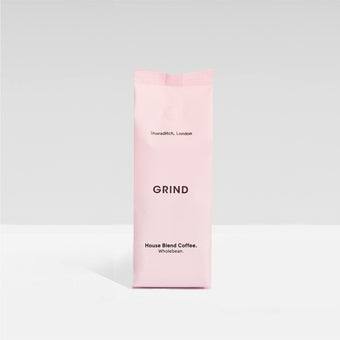
We also have decaf versions of our whole bean and ground coffee AND our Craft Instant Coffee, so however you make your brew, there’s a decaffeinated version for you.
Want some barista-quality brewing equipment? Shop our Grind Nespresso® Compatible Coffee Pod Machine and matching Milk Frother, our sleek stainless steel Cafetière, or our exclusive edition of Sage Appliance's Barista Touch™ Impress Espresso Machine.
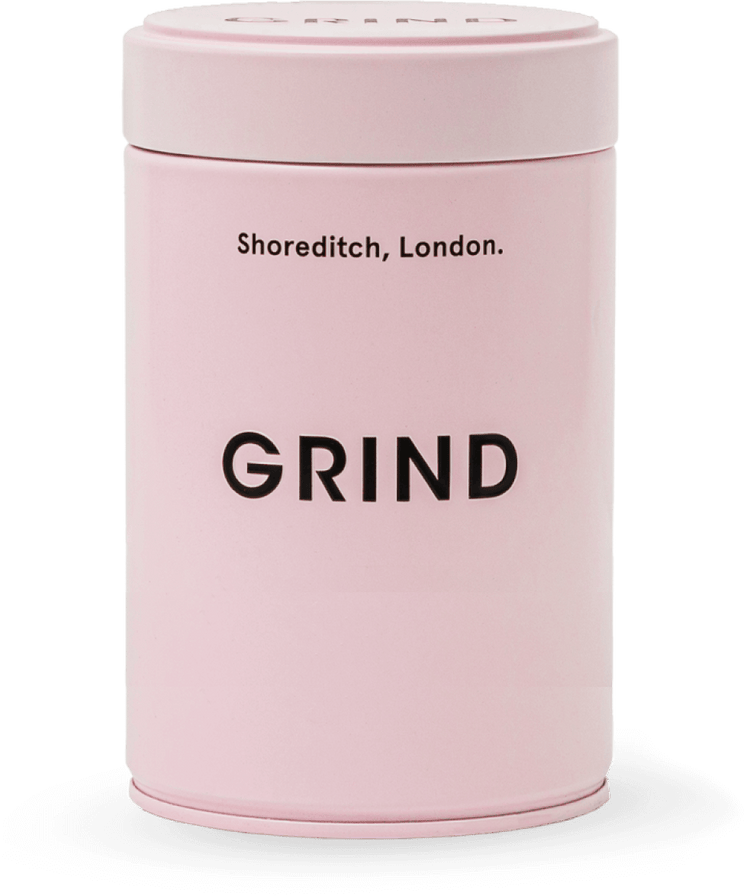
Set up a decaf coffee subscription and save up to 27%. You’ll also get a Grind tin for free, plus free shipping with every delivery. It’s a flexible subscription, so you can change, skip, or cancel your subscription at any point. No strings attached.







Comments
I wonder…if possible you could make flavoured decaf. Decaf is becoming more popular and I think it would be great! 😊